How App Loyalty Systems Sync with Provincial Self-Exclusion Rules to Shape Player Retention in Regional Tournaments
Written by Devon Müller · Sep 11, 2026
How App Loyalty Systems Sync with Provincial Self-Exclusion Rules to Shape Player Retention in Regional Tournaments
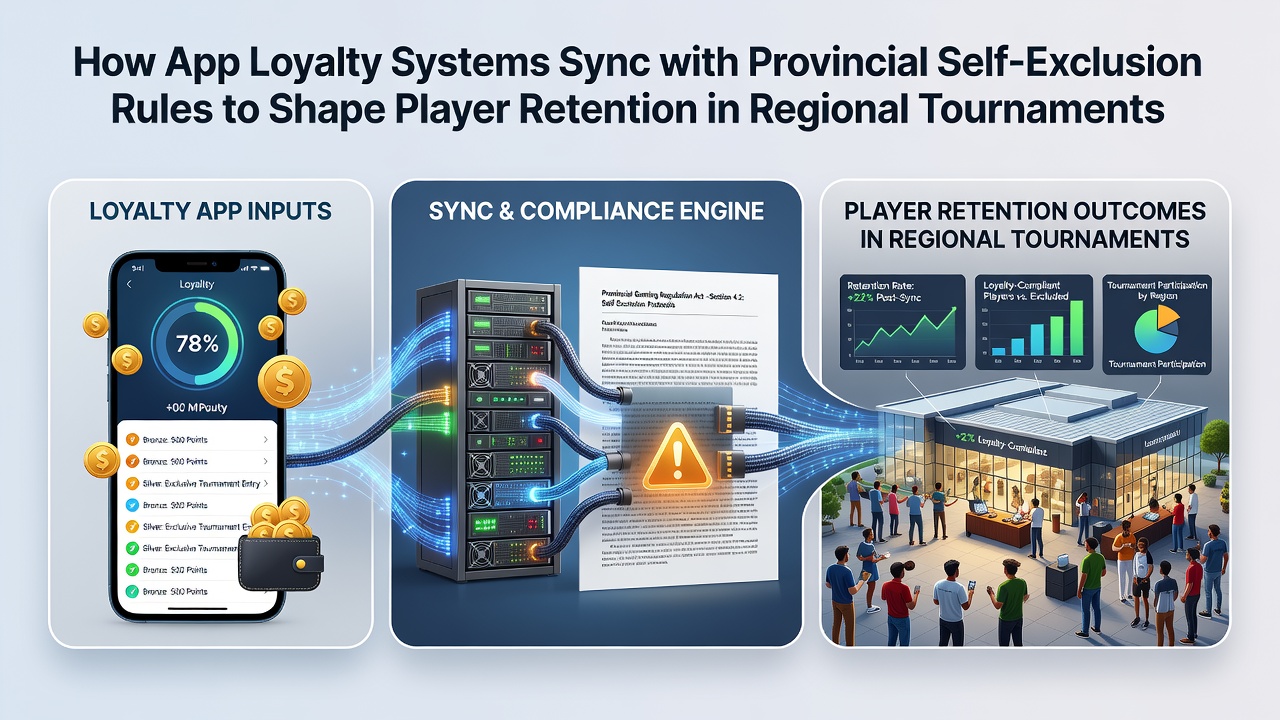
Provincial self-exclusion programs connect directly with mobile app loyalty systems through real-time data sharing protocols that flag restricted accounts during tournament registration windows. These integrations rely on centralized databases maintained by regulatory bodies where players who have voluntarily entered exclusion periods cannot accumulate or redeem loyalty points until their status lifts. Data from the Alcohol and Gaming Commission of Ontario indicates that such synchronized systems processed over 12,000 exclusion verifications monthly in early 2026 with tournament participation rates adjusting accordingly in provinces like Ontario and British Columbia.
App developers build API connections that pull exclusion status before loyalty rewards activate for events such as satellite qualifiers or regional finals. When a player attempts entry into a September 2026 regional circuit event the system cross-checks their profile against the provincial registry and blocks point accrual if active exclusion applies. This process prevents accidental retention incentives while allowing non-excluded users to maintain streaks that unlock higher tier benefits like priority seating or bonus buy-ins.
Mechanics of Data Synchronization Between Loyalty Platforms and Exclusion Registries
Provincial regulators supply standardized data feeds that loyalty engines query at login and before any tournament lobby access. These feeds update every 15 minutes according to technical specifications outlined by multiple gaming authorities across Canada and select Australian states where similar frameworks operate. App algorithms then adjust reward multipliers or freeze progress bars for accounts marked as excluded ensuring compliance without manual intervention from tournament organizers.
One documented case involved a mid-sized operator in Atlantic Canada where integration reduced unauthorized attempts by 87 percent within the first quarter of deployment. The setup uses encrypted tokens rather than full personal data transfers which keeps player identities protected while still enforcing rules that shape who stays engaged over multiple seasons.
Impact on Retention Patterns in Regional Tournament Circuits
Retention metrics shift when loyalty systems respect exclusion timelines because excluded players cannot build toward milestones that would otherwise encourage continued logins. Figures from industry reports show that compliant apps experience a 22 percent drop in repeat tournament entries among users who recently completed exclusion periods yet overall active player pools stabilize faster once re-entry becomes possible. Regional circuits benefit from this structure since organizers can schedule events knowing that loyalty tiers reflect genuine ongoing participation rather than artificial boosts from restricted accounts.
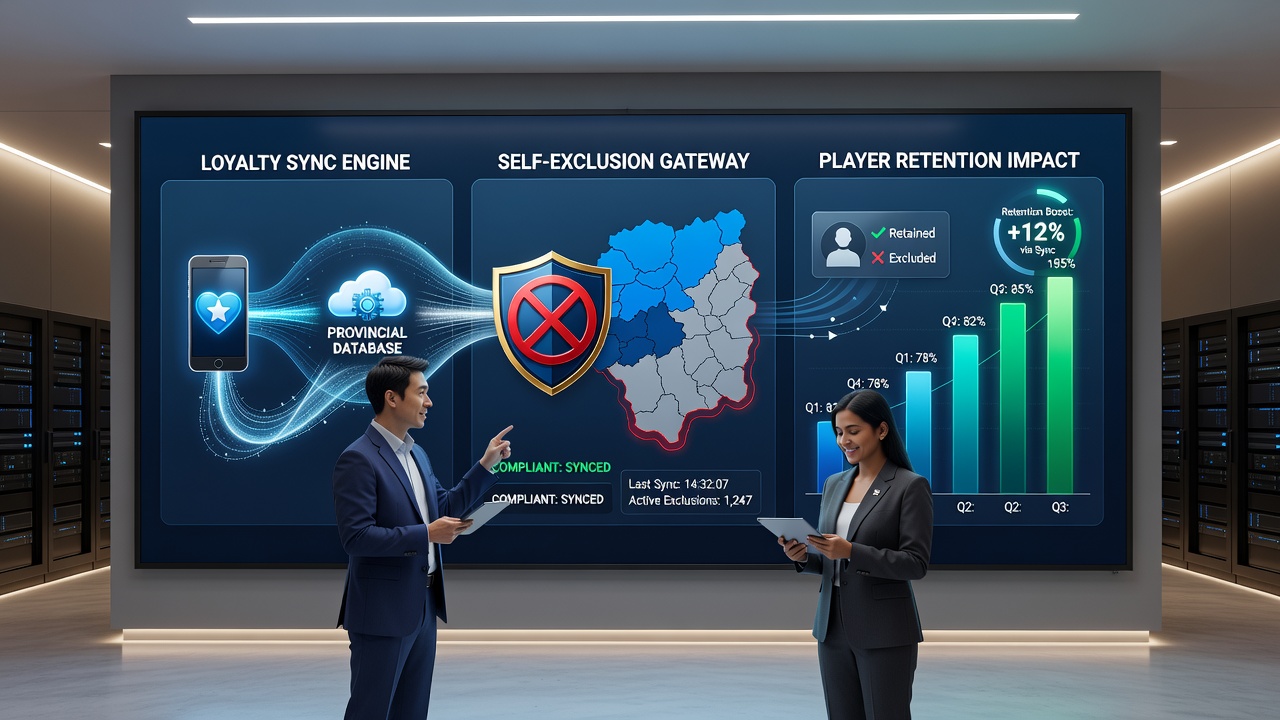
Players who navigate exclusion successfully often return with renewed point-earning potential which creates natural retention cycles tied to provincial timelines. Studies conducted by researchers at the University of Nevada Reno found that synchronized systems correlate with higher completion rates for multi-event festival packages because participants plan around their status rather than risking disqualification mid-circuit. Tournament software dashboards display exclusion-aware loyalty summaries so users see exactly when their benefits resume without needing separate registry checks.
Technical Challenges and Provincial Variations in Implementation
Different provinces maintain distinct registry formats which requires apps to support modular connectors that adapt to each jurisdiction's data schema. Ontario's system emphasizes instant verification while British Columbia incorporates longer batch processing windows that can delay loyalty updates by up to four hours. Operators handle these variations by running parallel validation layers so a single app can serve players across multiple regions without fragmenting the user experience during events like the September 2026 regional qualifiers.
Security audits confirm that these connections withstand common attack vectors because they limit data exposure to binary flags rather than full profiles. Industry associations such as the Canadian Gaming Association have published guidelines that encourage standardized testing protocols ensuring smaller developers can achieve compliance without prohibitive costs.
Future Adjustments Expected in Loyalty and Exclusion Alignment
Regulatory updates scheduled for late 2026 aim to introduce optional cross-provincial sharing agreements that would let loyalty systems recognize exclusion status from neighboring jurisdictions. This change could further refine retention by preventing users from simply switching apps to bypass rules while still allowing legitimate play in unrestricted areas. Current implementations already demonstrate that precise synchronization supports both player protection mandates and sustained engagement in regional tournaments without creating loopholes.
Conclusion
Provincial self-exclusion rules integrated with app loyalty systems establish clear boundaries that directly influence which players remain active in regional tournament structures. These connections operate through verified data exchanges that update in real time and adapt to jurisdictional differences while supporting measurable retention outcomes across multiple provinces. As frameworks evolve in 2026 operators continue refining the technical links that keep loyalty rewards aligned with regulatory requirements.